



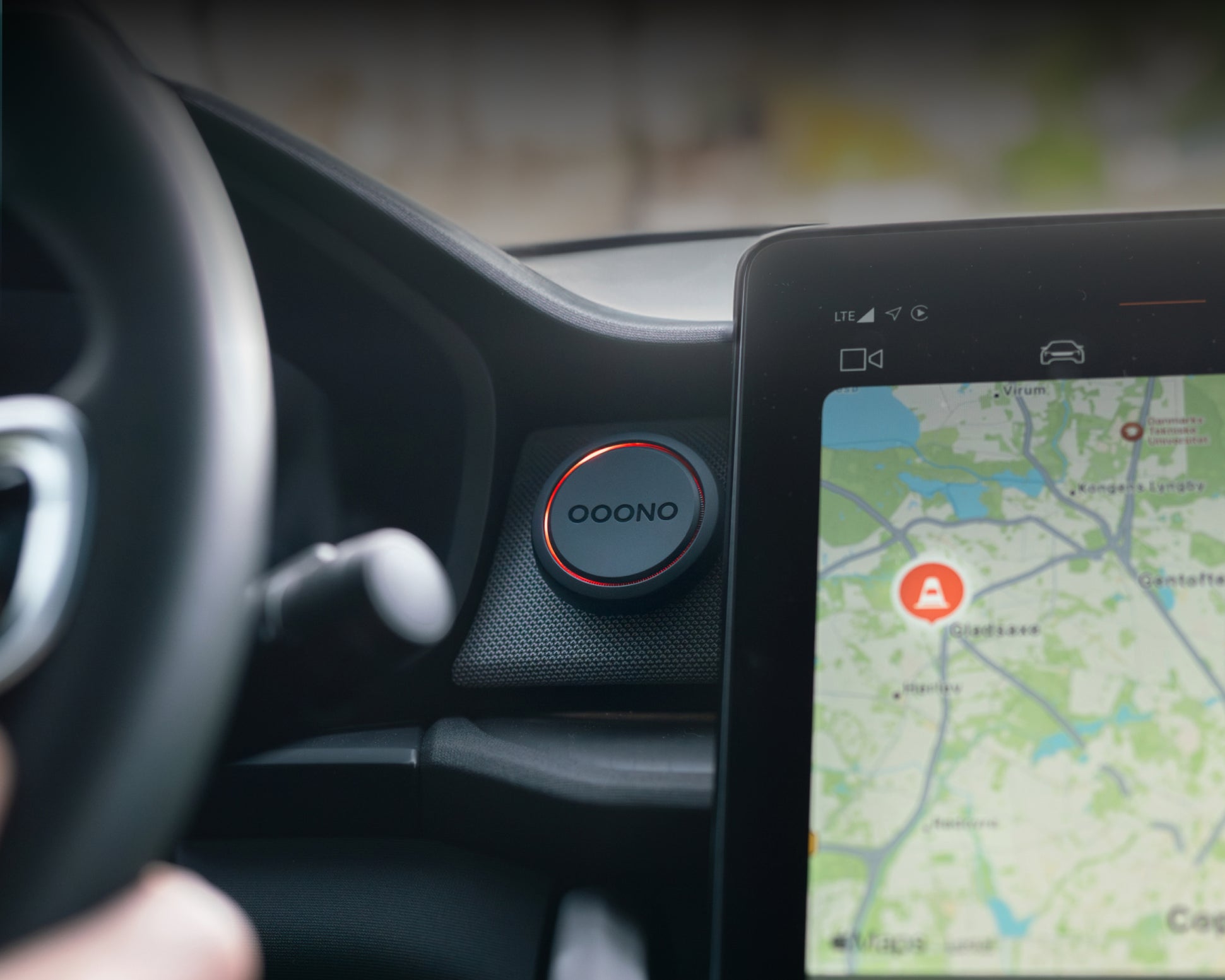
What Is a Speed Camera Alert System and Which Types Are Allowed in Germany?
Speed camera alert systems are very popular among drivers. Understandably so: they not only protect you from annoying fines, but also help improve road safety. If you know a few hundred meters in advance what’s ahead, you slow down gently instead of braking abruptly.
But is everything people casually call a “speed camera alert” actually the same? And what kinds are even allowed in Germany? Here’s a simple overview of the different types of speed camera warning systems, how they work, and what you should be aware of.

What Is a Speed Camera Alert System?
A speed camera alert system is essentially a tool that notifies you of potential speed checks. Depending on the device, the information may come from various sources — such as databases, map data, or reports from other drivers. The goal is simple: helping you drive more calmly and with greater awareness.
There are two main categories:
- Passive systems – they provide information only.
- Active systems – they attempt to interfere with speed measurements.
This is where the key difference lies.
Passive Speed Camera Alerts: How They Work and What to Consider
Passive systems simply provide information. They do not send signals and do not interfere with any measurements. Examples include:
- Navigation devices marking fixed speed cameras: Many sat navs or maps show locations where permanent cameras are installed.
- Apps and devices powered by community reports: Other users submit reports. CO-DRIVER, for example, works this way and uses this data to notify you of speed checks and hazardous areas. The device receives information but does not influence measurement systems in any way.
- Databases of known checkpoints: Some tools show places where police frequently conduct speed checks.
These systems are harmless on their own. The important thing to remember: you must not use speed camera alerts actively while driving. Checking them before starting your trip, however, is allowed. Many devices offer simple settings for this. With CO-DRIVER, you can choose exactly which types of alerts you want to receive.
Active Speed Camera Alerts: Dangerous and Illegal
Active systems work completely differently. They don’t just detect measurement attempts — they actively interfere with them. Laser jammers or radar blockers emit their own signals, disrupting official speed checks.
Devices like these have no place in a car. They are not driver assistance tools but disruptors that directly interfere with law enforcement measurements. For everyday drivers they are irrelevant, but it’s important to distinguish them clearly from passive systems. Although people often confuse them, the two technologies have nothing in common.
Where CO-DRIVER Fits In
CO-DRIVER clearly belongs to the passive category. It only receives information from the community and reliable data partners. It does not send any signals and cannot influence measurement processes. This makes it a pure information device.
You can decide which types of alerts you want to receive. Hazard warnings, for example, are general driving tips that have nothing to do with speed cameras. Before starting your trip, you can choose whether or not speed camera information should be displayed. This ensures that you remain fully compliant with German regulations.
How to Use These Systems Sensibly
A simple rule of thumb helps in everyday driving:
- Use alerts that help you drive more calmly and anticipate traffic better.
- Information-based warnings about hazards or risks can be extremely valuable.
- Systems with clear settings make everything easier.
- A quick check before driving to see which functions are enabled is more than enough.
Conclusion
A speed camera alert system is not always the same as another. Navigation alerts, databases, and community reports belong to passive systems that offer helpful information without interfering with legal measurements.
Devices like CO-DRIVER integrate smoothly into everyday driving because they only receive — never send — signals.
Active disruption devices, on the other hand, are illegal and irrelevant for normal drivers.
With the right knowledge and responsible use, passive systems such as CO-DRIVER can contribute meaningfully to road safety.