





App vs device for traffic information: Which is the better choice?
You want to get traffic information and be one step ahead of speed cameras and road hazards. That’s pretty smart. But then an obvious follow up question is: Is it smartest to get it from a traffic app or a dedicated device like an OOONO CO-DRIVER? Well, you’re never gonna guess what we’ll be discussing in this blogpost… Okay, maybe the title and intro gives it away: Pros and cons of traffic apps and traffic info devices.
Let’s get to it!
Advantages with getting traffic information from a hardware device:
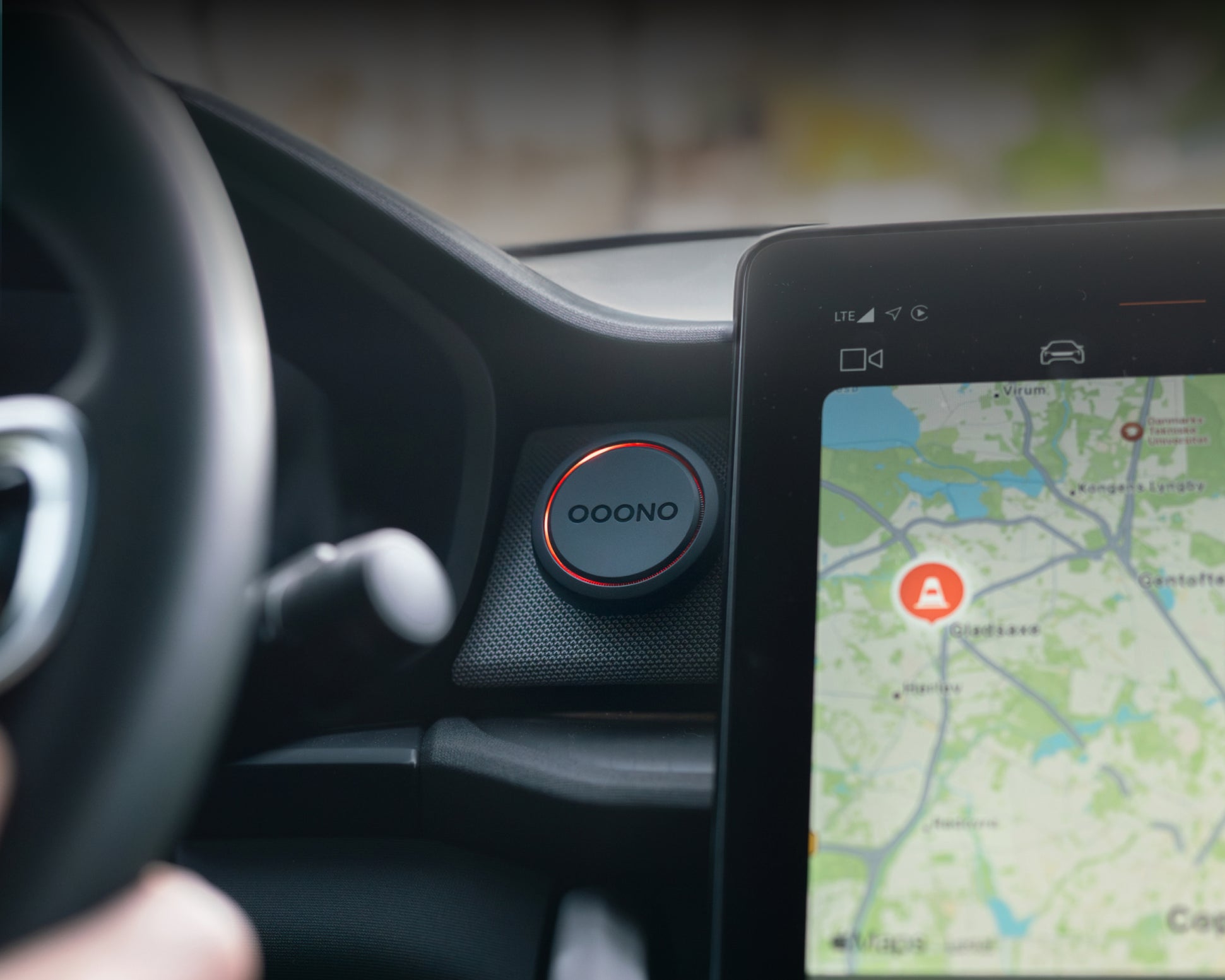
- Starts automatically: Most traffic devices turn on automatically when you start driving and operate without you needing to open an app or check your phone. For example, the CO-DRIVER starts automatically when driving. So once it’s set up, you’ll never have to worry about it again. The CO-DRIVER NO2 is even rechargeable and can be recharged directly in your car, so with that you’re always sure about getting warnings in traffic - even on the most forgetful of days.
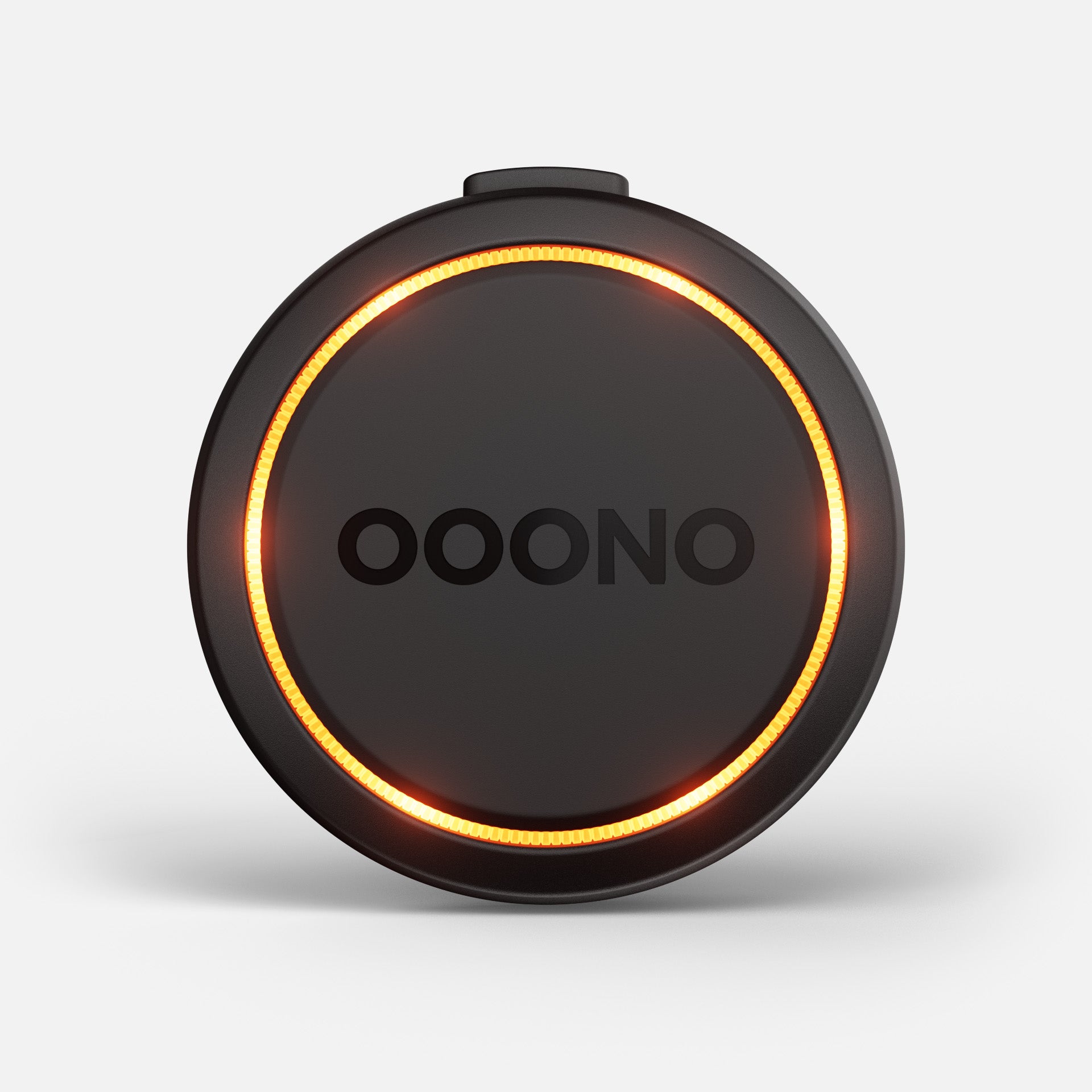
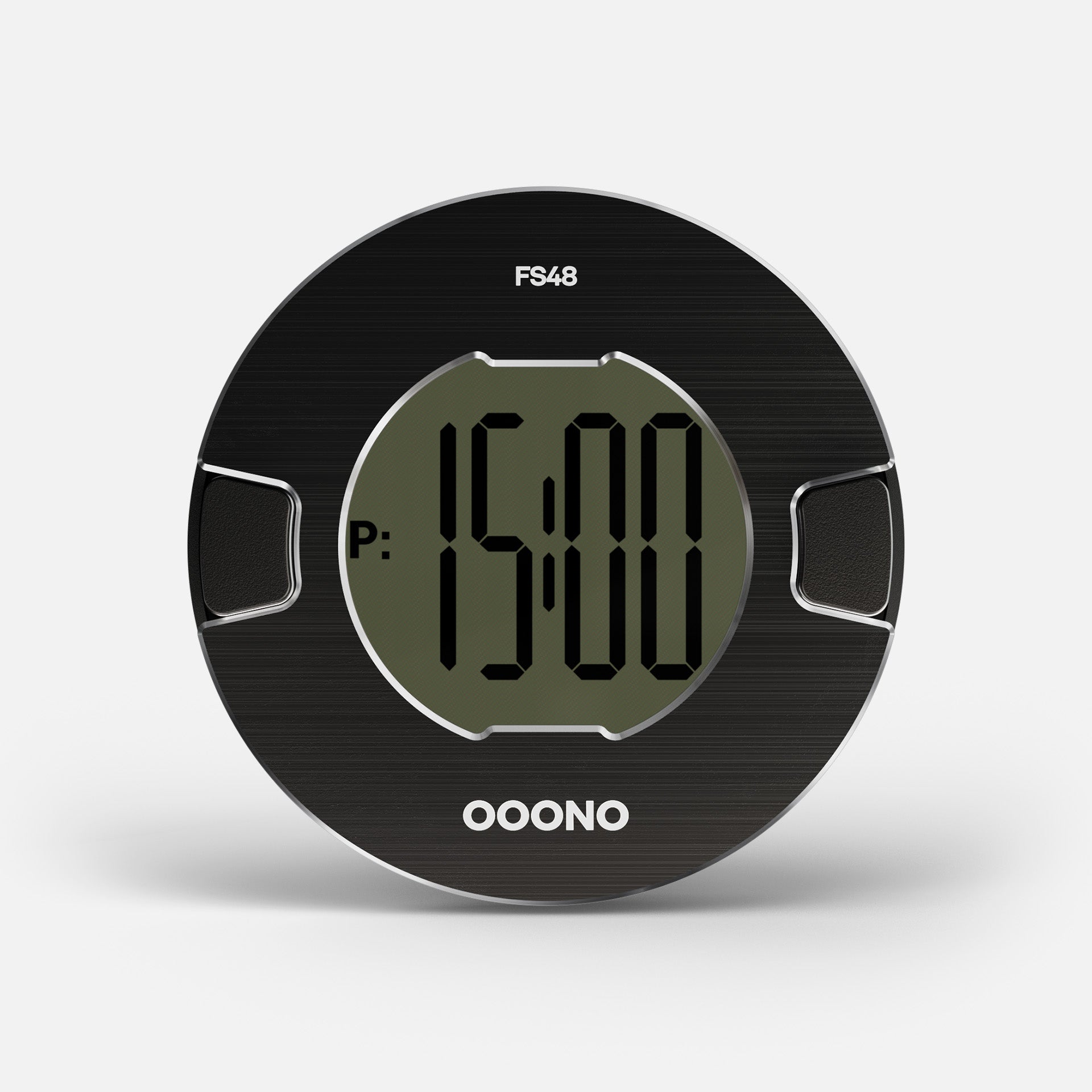
- Less distraction: Because the device often uses simple audio or light signals (rather than a full screen), your attention can stay on the road. The CO-DRIVER is designed screen-free to be less distracting, whereas other similar devices come with a screen.
- Optimised hardware: Traffic info devices are built for one purpose and one purpose only: Providing drivers with traffic information. This way, they’re designed to use lower power, simpler UI, and have a streamlined workflow to serve that one purpose.
- Reliable integration: These devices often connect via Bluetooth to your phone or car system and are designed to work with minimal fuss. The CO-DRIVER connects with the free OOONO app and automatically pairs every time you start driving.
- Community-driven warnings: With a dedicated base of users focused on this one task, the network effect (sharing traffic warnings) is strong. For example, the CO-DRIVER community reports and verifies incidents. On top of that, OOONO also gets data from leading traffic info data partners.
Sounds like the perfect fit, no? Chill, everything is not a bliss. Here’s some disadvantages with getting traffic information from a hardware device:
- Initial cost: You must buy the hardware device. While this might be modest compared to some car gadgets, it’s more than a free app. Some providers also charge a monthly subscription. None of OOONO’s CO-DRIVERs require subscription.
- Device compatibility & updates: You still rely on the manufacturer to provide updates and maintain the database of hazards/cameras.
- Placement & installation: You’ll need to decide where to mount the device, how to power it, and ensure it’s functioning.
- Still requires a phone for data: Many such devices depend on a smartphone (for example via Bluetooth) for data connectivity; so the phone remains part of the system.
But overall, for drivers who prioritise fewer distractions, automatic operation and dedicated reliability, the hardware option stands out.
When you compare the two approaches in light of what really matters on the road (focus, reliability, and ease of use), a dedicated device wins out. Apps add value and flexibility, but they also ask more from the driver: You need to manage the phone, remember to turn it on, keep the screen visible, and resist the temptation to interact.
By contrast, the CO-DRIVER offers a smart and dedicated tool: Once you’ve set it up, all you need to focus on is driving, while you get reliable warnings without ever having to look at your phone. For drivers who care about staying safe, avoiding distractions and being proactive about traffic hazards and speed cameras, the CO-DRIVER is a compelling choice.