





Traffic Detection Technology: How Speed Camera Warning Systems Work
Modern speed camera warning systems have come a long way from simple radar detectors. Today's GPS-based devices use satellite positioning, community data and real-time verification to warn drivers with precision. But how does the technology actually work — and why does it matter which system you choose for UK roads? This guide explains everything.
The Three Types of UK Speed Camera Detection Technology
There are three fundamentally different approaches to speed camera detection. Understanding them helps explain why GPS-based community systems consistently outperform the alternatives:
| Technology | How It Works | Legal in UK? | Accuracy |
|---|---|---|---|
| GPS community system, e.g. OOONO | Matches your live position to a community-verified camera database | Yes | ±5–10 m |
| Pre-loaded GPS database, e.g. older sat navs | Matches your position to a static, periodically updated database | Yes | ±5–10 m, but may be outdated |
| Radar detector | Detects radar signals emitted by speed guns | No — illegal | Variable, often too late |
| Laser detector | Detects laser pulses from LIDAR speed guns | No — illegal | Usually after measurement taken |
For UK drivers, only GPS-based systems are both legal and reliably effective. The key differentiator between GPS systems is whether the underlying database is static or live.
How GPS Positioning Works in a Speed Camera Warning Device
A GPS receiver calculates its position by measuring the time it takes for signals to arrive from at least four satellites simultaneously. The more satellites in view, the more precise the result. On UK motorways and A-roads under open sky, modern GPS chips achieve a positional accuracy of ±5–10 metres.
GPS Triangulation: What ±5–10 Metres Means in Practice
At 70 mph you cover approximately 31 metres per second. A positional accuracy of ±10 metres means the warning triggers within a third of a second of the ideal alert point — precise enough to give you a comfortable 7 to 10 seconds of advance notice at motorway speeds.
OOONO CO-DRIVER also uses A-GPS, or Assisted GPS, which reduces the time to first fix to under two seconds. This matters when you start a journey in a built-up area where satellites take longer to acquire — you are protected from the moment you pull away.
One counterintuitive finding from independent testing is that GPS-based speed measurement is actually more accurate than your car's own speedometer. Vehicle speedometers are deliberately calibrated to display speeds slightly higher than actual — testing shows inaccuracy of up to 4–5 km/h at motorway speeds — to prevent drivers from inadvertently accumulating fines on new vehicles.
GPS systems like OOONO, by contrast, calculate speed directly from satellite data, producing measurements that independent tests have shown to be nearly identical to those of calibrated laser speed detectors. This means that if OOONO tells you that you are doing 68 mph, you almost certainly are — whereas your speedometer showing 70 mph may mean you are actually travelling at 66 mph.
Community-Based Detection: How OOONO's Real-Time System Works
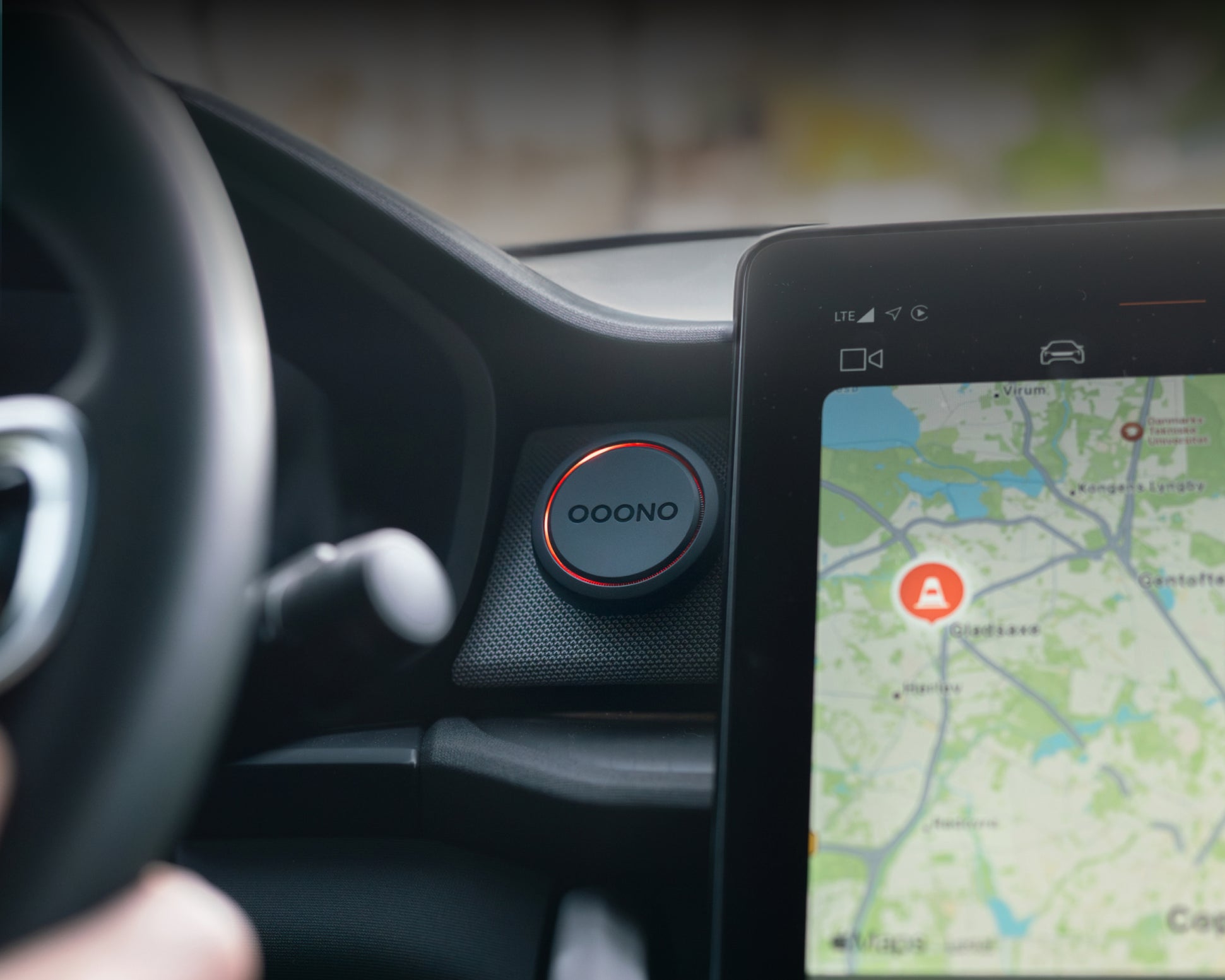
The most significant advancement in speed camera warning technology over the past decade is the shift from static databases to live community data. Here is how OOONO's system works in practice:
- A driver encounters a mobile speed camera van and reports it via the OOONO CO-DRIVER.
- The report is cross-referenced against other nearby OOONO users in real time.
- Once verified by multiple independent reports, the warning goes live for all drivers approaching that location.
- If the van moves on and reports stop being confirmed, the warning is automatically removed.
This verification layer is what separates OOONO from simpler community apps. A single unverified report does not trigger an alert — reducing false positives to a minimum and ensuring drivers trust the warnings they receive.
Which UK Speed Camera Types Does the Technology Cover?
A comprehensive speed camera warning system needs to cover every enforcement technology deployed on UK roads:
| Camera Type | Detection Method | OOONO Coverage |
|---|---|---|
| GATSO, fixed, rear-facing | GPS database + community | Full coverage |
| SPECS, average speed | GPS database — zone entry/exit points | Full coverage |
| HADECS3, smart motorway | GPS database | Full coverage |
| SpeedCurb, side-mounted | GPS database | Full coverage |
| Mobile van, roadside | Live community reports | Real-time coverage |
| Temporary roadworks cameras | Live community reports | Real-time coverage |
| Unmarked police vehicles | Not applicable | Not applicable |
Which Driving Assistance Systems Include Speed Camera Alerts?
Speed camera alerts are increasingly appearing in built-in vehicle systems, but coverage and accuracy vary significantly:
- Intelligent Speed Assistance, ISA: mandatory on new EU and UK vehicles from 2024 onwards. ISA reads speed limit signs and can warn or limit speed — but it does not detect cameras.
- Built-in sat nav systems, e.g. TomTom, HERE: include speed camera databases, but typically updated via annual subscriptions rather than in real time. See app vs. device compared.
- Aftermarket GPS devices, e.g. OOONO CO-DRIVER: real-time community data, covering all camera types including mobile cameras. Read the full speed camera app vs. dedicated device comparison to see why dedicated hardware leads.
- Navigation apps, e.g. Waze, Google Maps: include basic camera warnings, but community coverage is thinner on rural UK roads compared to OOONO.
For drivers who want the most complete, up-to-date coverage on UK roads, a dedicated aftermarket device with live community data remains the gold standard.
Why Community Technology Leads the Way
The technology behind speed camera warning systems has evolved from simple pre-loaded databases to sophisticated real-time community networks. For UK drivers, the practical difference is significant: a static database cannot warn you about a mobile van that appeared this morning. A live community system can.
OOONO CO-DRIVER combines GPS precision with the UK's most active driver community — giving you coverage that no pre-loaded database or built-in vehicle system can match.